

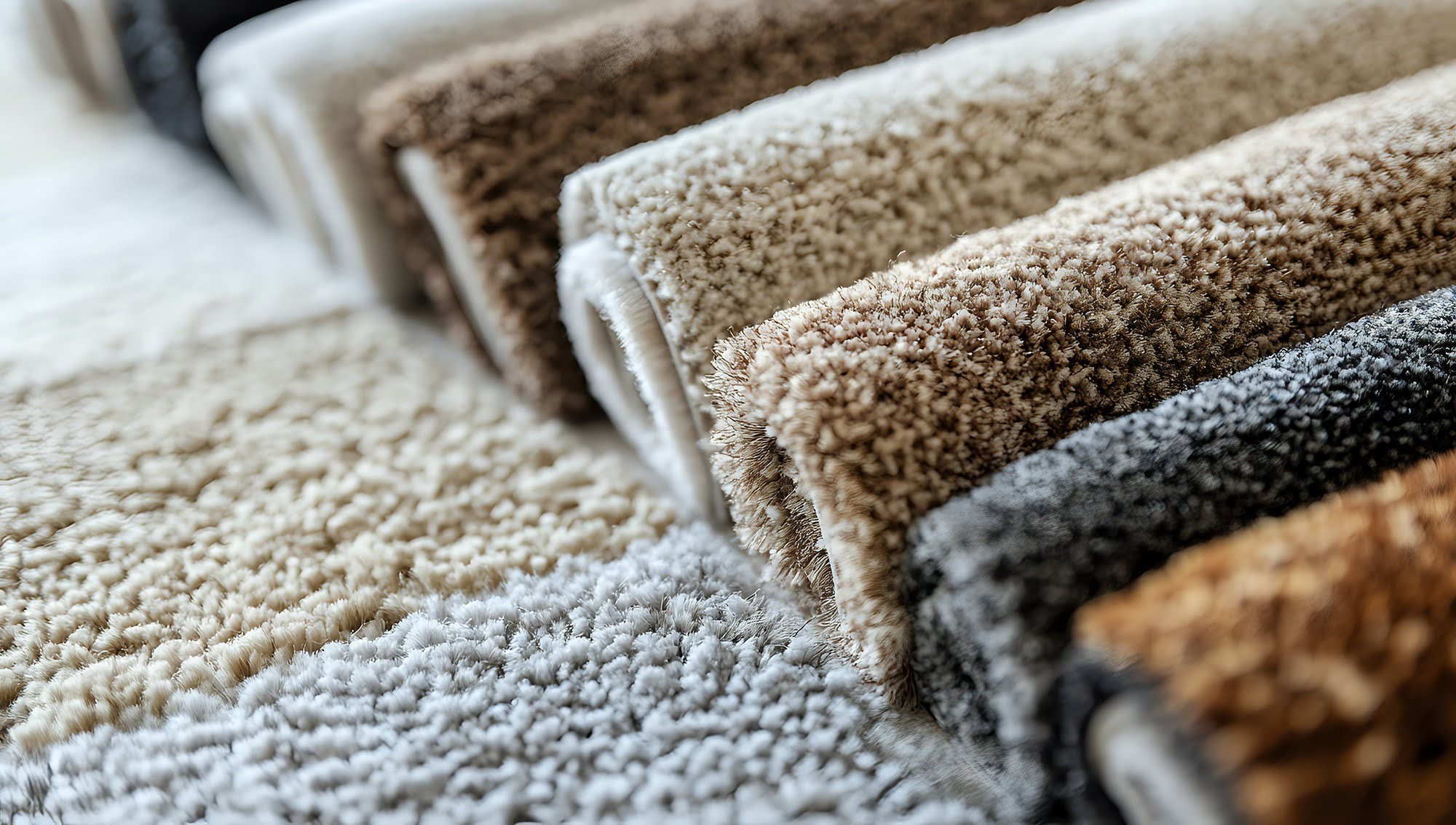
When homeowners plan a flooring upgrade, most of the attention goes toward choosing new floors. Whether you're installing luxury vinyl plank, hardwood, tile, or new carpet, there's another important step that often gets overlooked: what happens to the old carpet once it's removed?
At The Atlanta Floor Store, we help homeowners throughout Chamblee and the greater Atlanta area manage every stage of their flooring projects, including carpet removal and disposal. Many people are surprised to learn that getting rid of old carpet involves much more than simply rolling it up and hauling it away.
Understanding what happens after carpet removal can help you prepare for your project and appreciate why professional disposal services can save significant time and effort.
Why Carpet Disposal Is More Complicated Than It Looks
At first glance, carpet may seem like a simple material. However, once removal begins, homeowners quickly discover that carpet is often:
Heavy and bulky
Difficult to transport
Attached with staples, tack strips, or adhesives
Combined with separate padding materials
Filled with years of dust, dirt, and debris
Proper disposal involves multiple steps that help ensure a clean, safe transition to your new flooring.
Step 1: The Carpet Is Removed From the Home
Before disposal can begin, the carpet must be safely removed.
This process typically includes:
Cutting carpet into manageable sections
Rolling and bundling the material
Removing the carpet padding underneath
Pulling up tack strips around room edges
Removing staples or adhesive residue
In many Chamblee homes, the carpet itself is only one part of the removal process. The underlying materials often require just as much attention as the carpet surface.
Step 2: Padding and Tack Strips Are Separated
Many homeowners don't realize that carpet padding and tack strips are treated differently than the carpet itself.
After removal, installers may need to deal with:
Carpet Padding
Padding can:
Contain accumulated dust and allergens
Break apart during removal
Require separate disposal handling
Tack Strips
These wooden strips contain sharp nails and are installed around the perimeter of the room.
Tack strips must be:
Removed carefully
Separated from other materials
Handled safely to avoid injury
This step is a major reason carpet disposal is often more labor-intensive than homeowners expect.
Step 3: Disposal or Recycling Options Are Evaluated
Once materials are removed, the next question becomes where everything goes.
Depending on the carpet type and local availability, several options may exist.
Landfill Disposal
Some carpet ultimately ends up at approved disposal facilities.
This often involves:
Transporting heavy materials
Paying disposal fees
Following local disposal guidelines
Carpet Recycling
Some carpet fibers can be recycled under the right circumstances.
Potential benefits include:
Reducing landfill waste
Repurposing reusable materials
Supporting more sustainable disposal practices
However, not every carpet type qualifies for recycling, and facility requirements vary.
Repurposing Materials
In some situations:
Padding materials may be reused
Certain fibers may be reclaimed
Components can be separated to minimize waste
The available options often depend on material condition and local recycling resources.
Step 4: The Subfloor Is Exposed
One of the most valuable parts of carpet removal happens after the carpet is gone.
Once the flooring materials have been removed, installers gain access to the subfloor beneath.
This allows for inspection of:
Moisture issues
Uneven surfaces
Previous damage
Loose fasteners
Areas requiring repair
Many hidden flooring issues remain unnoticed while carpet is installed. Exposing the subfloor allows these concerns to be addressed before new flooring goes down.
Step 5: The Surface Is Prepared for New Flooring
After disposal materials are removed and the subfloor is inspected, preparation work begins.
This may include:
Removing leftover adhesive
Pulling remaining staples
Cleaning debris
Leveling uneven areas
Installing moisture barriers if needed
Subfloor preparation is critical because even the best flooring products perform poorly when installed over an improperly prepared surface.
Why DIY Carpet Disposal Is Often More Challenging Than Expected
Many homeowners initially consider removing and disposing of carpet themselves.
While this is possible, DIY disposal often presents several challenges:
Heavy lifting
Multiple trips to disposal facilities
Transportation requirements
Exposure to dust and allergens
Risk of injury from staples or tack strips
In addition, many homeowners underestimate how much time carpet removal actually requires. What appears straightforward at the beginning of the project often becomes one of the most physically demanding parts of the renovation.
How Professional Carpet Disposal Simplifies the Process
Professional carpet disposal services streamline the entire project.
Benefits often include:
Complete carpet removal
Safe handling of padding and tack strips
Proper disposal of heavy materials
Subfloor preparation
Reduced homeowner cleanup responsibilities
Perhaps most importantly, professional disposal keeps flooring projects moving forward without delays.
If you're planning a flooring upgrade, you can view all flooring services to learn more about the support available throughout the process.
What Flooring Comes Next?
Many Chamblee homeowners use carpet removal as an opportunity to upgrade to flooring that better fits their lifestyle.
Popular replacements include:
Luxury Vinyl Plank Flooring
Benefits include:
Easy maintenance
Moisture resistance
Durability for active households
Realistic wood-look styling
You can browse luxury vinyl flooring to explore options that work well in busy homes.
Hardwood Flooring
Ideal for homeowners seeking:
Natural beauty
Traditional appeal
Long-term style
Explore available options when you browse hardwood flooring.
Tile Flooring
Great for:
Moisture-prone areas
Durability
Design versatility
You can also browse tile flooring to compare styles and finishes.
How to Prepare Before Carpet Removal Day
If your project includes carpet disposal, a little preparation can make the process easier.
Before removal day:
Remove furniture and personal belongings
Clear closets where carpet extends
Relocate fragile items
Secure pets safely away from work zones
Discuss any concerns with your flooring team
Good preparation allows removal crews to work efficiently while helping protect your belongings.
The Advantage of a Full-Service Flooring Partner
Managing carpet disposal, product selection, and installation separately can create unnecessary complexity.
At The Atlanta Floor Store, our Shop, Review, Install, Enjoy process is designed to simplify the experience by bringing every stage of the project together.
Whether you choose to shop at home or visit our showroom in Chamblee, our team can help you plan everything from carpet removal through final installation.
This approach supports the values we focus on every day:
SPEED
CONVENIENCE
QUALITY
SERVICE
Start Your Flooring Project with Confidence
Old carpet doesn't simply disappear after removal. It must be cut, separated, transported, disposed of responsibly, and followed by careful subfloor preparation before your new flooring can be installed. Understanding that process helps explain why professional carpet disposal is such an important part of a successful flooring upgrade.
At The Atlanta Floor Store, we help homeowners throughout Chamblee and Atlanta move confidently from worn carpet to beautiful new floors. If you're planning a flooring remodel, request a free estimate or contact The Atlanta Floor Store today to speak with a flooring specialist and start building a plan that makes your renovation simple from start to finish.


