

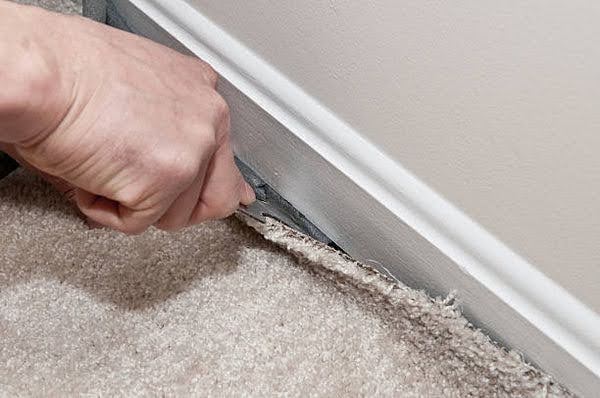
If you've ever wondered what's hiding beneath your old carpet, you're not alone. Many homeowners assume that once carpet is removed, the new flooring installation can begin immediately. In reality, carpet often conceals issues that have developed over many years. At The Atlanta Floor Store, we regularly help homeowners throughout Chamblee and the greater Atlanta area uncover and address hidden flooring problems before new materials are installed.
Whether you're planning to install luxury vinyl plank, hardwood, tile, or new carpet, understanding what might be underneath your existing flooring can help you avoid surprises and make smarter decisions during your renovation.
Why Carpet Hides So Many Problems
Carpet is one of the most forgiving flooring materials available. Its padding and flexible surface can disguise imperfections that would be immediately noticeable on hard-surface flooring.
Over time, carpet can conceal:
Uneven subfloors
Moisture damage
Loose floor panels
Adhesive residue
Worn padding
Structural movement
Previous repairs
This is one reason professional flooring inspections are so important before installing new flooring.
Uneven Subfloors
One of the most common discoveries after carpet removal is an uneven subfloor.
Because carpet and padding add cushioning, minor imperfections often go unnoticed for years. Once removed, flooring professionals may find:
Low spots
High spots
Sloping sections
Settlement-related irregularities
These issues become especially important when installing hard-surface flooring such as luxury vinyl flooring, where a smooth surface helps ensure proper performance and appearance.
Why It Matters
An uneven subfloor can contribute to:
Flooring movement
Visible seams
Premature wear
Hollow spots underfoot
Reduced long-term performance
Addressing these issues before installation helps protect your investment.
Moisture Damage and Water Intrusion
Moisture problems often remain hidden beneath carpet for years.
Flooring professionals frequently discover:
Water stains
Previous leak damage
Subfloor discoloration
Areas of softness or deterioration
Mold or mildew concerns
In some cases, homeowners are completely unaware that moisture has been affecting the floor beneath the carpet.
Common Sources of Moisture
Potential causes include:
Appliance leaks
Plumbing issues
Exterior water intrusion
High humidity levels
Previous flooding events
Identifying moisture concerns early allows homeowners to address the root cause before installing new flooring.
For homes where moisture protection is a priority, many homeowners choose to explore waterproof flooring options during the replacement process.
Old Carpet Padding Breakdown
Most homeowners focus on the carpet itself, but the padding underneath often tells an important story.
Over time, carpet padding can:
Compress unevenly
Absorb moisture
Trap odors
Deteriorate from age
Collect dirt and allergens
Once the padding is removed, flooring professionals can evaluate whether additional preparation is needed before installation.
In many older Chamblee homes, worn padding helps explain why certain parts of a room feel uneven or show excessive wear.
Hidden Staple and Tack Strip Damage
Carpet installation typically involves hundreds of fasteners that remain hidden until removal begins.
Flooring crews often encounter:
Old staples
Damaged tack strips
Loose nails
Fastener holes
Broken attachment points
Removing these materials carefully is essential to creating a clean surface for new flooring.
This preparation work is one reason professional flooring installation often delivers better long-term results than rushed replacement projects.
Adhesive Residue from Previous Flooring
Not every floor beneath carpet is a clean wood or concrete surface.
In some homes, carpet has been installed over older flooring materials using adhesives that remain long after the original installation.
Professionals may uncover:
Old glue residue
Multiple flooring layers
Previous renovation materials
Surface contamination
Before installing new flooring, these remnants often need to be cleaned, scraped, or repaired to create a stable foundation.
Structural Squeaks and Movement
Many homeowners become accustomed to squeaky floors over time. Once carpet is removed, flooring professionals can more easily identify where movement is occurring.
Common findings include:
Loose subfloor panels
Floor movement between joists
Fastener problems
Areas requiring reinforcement
Addressing these issues before installation can improve comfort, reduce noise, and help create a more solid feeling floor.
This is particularly important when transitioning to hard-surface flooring where movement is more noticeable.
Previous DIY Repairs
Another common surprise involves discovering older repair attempts hidden beneath the carpet.
Professionals may encounter:
Plywood patches
Surface fillers
Inconsistent materials
Temporary fixes
Areas that require more permanent solutions
These discoveries are not necessarily major problems, but they often require evaluation before new flooring is installed.
A flooring consultation helps identify these situations early and minimize unexpected delays.
Signs of Pest or Insect Activity
While not common in every home, carpet removal occasionally reveals evidence of previous pest activity.
This can include:
Damaged wood
Small voids
Material deterioration
Areas requiring professional evaluation
Finding these issues before installation is beneficial because repairs can be completed prior to installing new flooring materials.
Why Flooring Professionals Inspect Before Installation
A flooring project is about more than selecting a color or material.
Professional inspections help uncover:
Subfloor concerns
Structural issues
Moisture risks
Preparation requirements
Transition challenges
Addressing these details before installation helps ensure your new flooring performs as expected for years to come.
Whether you're installing luxury vinyl plank, hardwood, laminate, or tile, the foundation matters just as much as the finished product.
What Happens After Problems Are Identified?
The good news is that most issues discovered beneath old carpet have solutions.
Depending on the situation, flooring professionals may recommend:
Subfloor leveling
Minor repairs
Moisture mitigation
Fastener replacement
Surface preparation
Additional underlayment support
Taking the time to address these concerns before installation can prevent much larger problems later.
Why Preparation Is an Important Part of the Flooring Process
Many homeowners focus on installation day, but preparation is often where the success of the project is determined.
At The Atlanta Floor Store, our Shop, Review, Install, Enjoy process helps identify potential concerns before installation begins.
Through proper planning, homeowners benefit from:
Fewer surprises
Better flooring performance
More accurate project expectations
Greater long-term value
You can also view all flooring services to learn how professional removal, preparation, and installation support a successful project.
See Your Options Before You Start
If you are considering replacing old carpet, it's helpful to evaluate flooring materials while also planning for what may be underneath the surface.
You can visit our showroom to compare flooring options in person or take advantage of our convenient shop-at-home service to review flooring samples in your own space.
Both options allow you to move forward with confidence and better understand what your project may involve.
Start Your Flooring Project on a Solid Foundation
Old carpet often hides more than homeowners expect. From uneven subfloors and moisture damage to worn padding and structural concerns, uncovering these issues before installation helps create a stronger foundation for your new floors.
At The Atlanta Floor Store, we help homeowners throughout Chamblee and the Atlanta area navigate every stage of the flooring process with SPEED, CONVENIENCE, QUALITY, and SERVICE. If you're planning to replace old carpet, request a free estimate or contact The Atlanta Floor Store today to schedule a consultation and take the first step toward beautiful new floors.


