

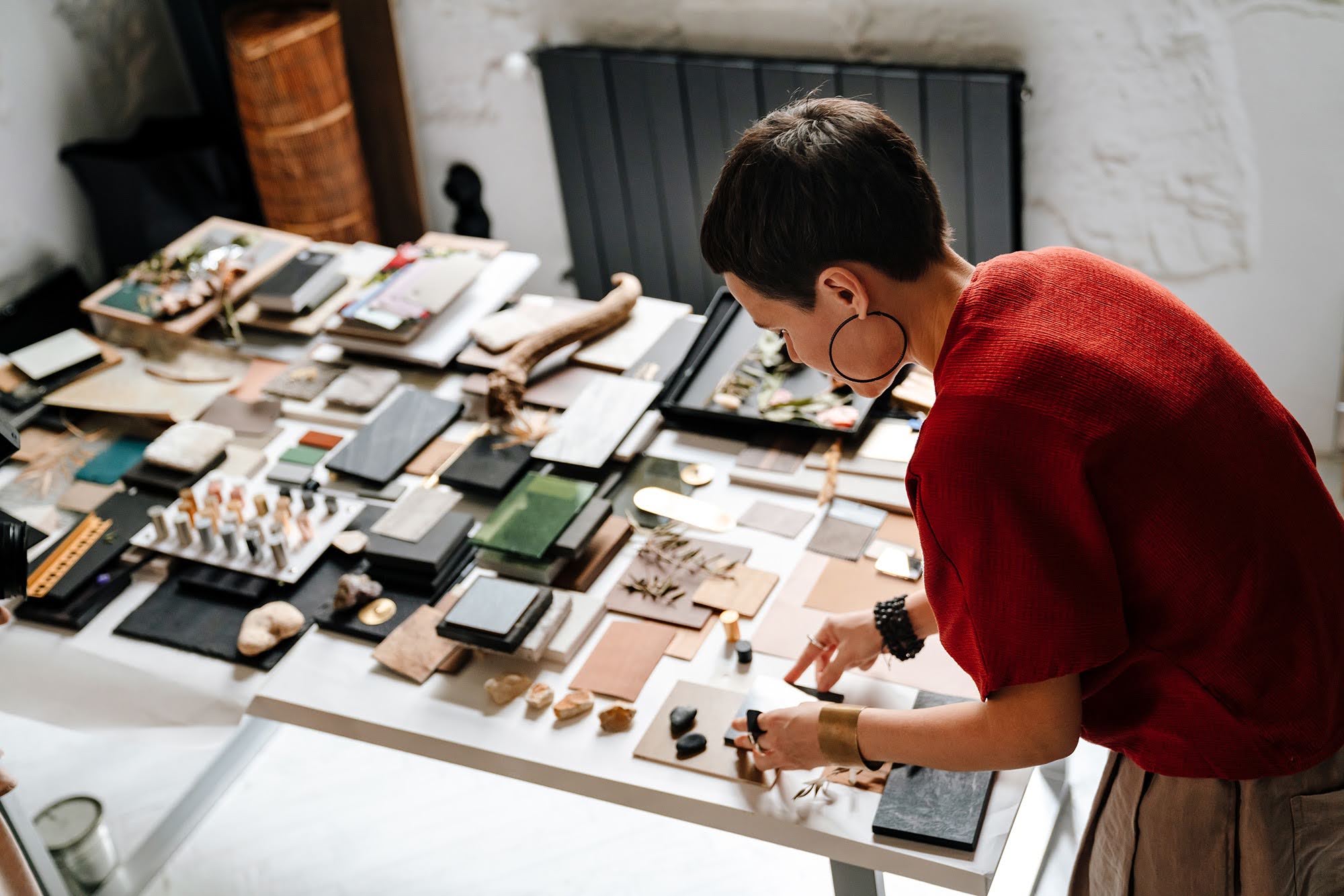
Choosing new flooring is easier when every part of the room is considered together. At The Atlanta Floor Store, we help homeowners throughout Chamblee and the greater Atlanta area coordinate flooring with paint colors, furniture, cabinets, rugs, lighting, and the way each room is used.
A productive flooring consultation does not require a perfectly finished design plan. You simply need to bring enough information to help your project specialist understand your home, your preferences, and your priorities.
The right preparation can make product comparisons clearer, reduce uncertainty, and help you leave your consultation with a flooring plan that feels cohesive and practical.
Why Preparation Matters Before a Flooring Consultation
Flooring covers one of the largest visual areas in a room. Its color, texture, plank size, and finish can influence how every other design element looks.
A floor that appears warm and inviting in one space may look completely different next to cool paint, dark cabinets, or bright natural light. Preparing a few materials before your consultation helps your project specialist see the full picture.
Good preparation can help you:
Compare flooring colors more efficiently
Identify warm or cool undertones
Coordinate new flooring with furniture you plan to keep
Plan connections between adjoining rooms
Prioritize durability and maintenance needs
Keep recommendations aligned with your budget
You do not need to bring everything in your home. Focus on the items that will remain after the flooring project is complete.
Bring Flooring Samples You Are Already Considering
If you have collected flooring samples from an earlier visit or consultation, bring them with you. Even samples you have ruled out can be useful because they show what you do and do not like.
Your flooring samples may reveal preferences involving:
Light, medium, or dark flooring
Warm or cool undertones
Smooth or textured finishes
Narrow or wide planks
Subtle or pronounced grain patterns
Consistent or varied coloring
Try to view each sample next to the permanent finishes in your home before the consultation. Look at it near cabinets, baseboards, walls, and furniture during different parts of the day.
If you are beginning without samples, you can explore all flooring products to become familiar with the available categories before your meeting.
Include Your Paint Colors
Paint and flooring occupy a large portion of the visual field, so they should support one another rather than compete.
If possible, bring:
A paint swatch
The paint color name
A small sample card
A clear photo of the wall in natural light
Do not rely only on a color name or memory. Beige, gray, white, and greige can all have warm, cool, green, blue, pink, or yellow undertones that become more noticeable when placed beside flooring.
Consider Permanent and Planned Paint Colors
Bring information about the paint already in the room, but also mention any colors you plan to change. If repainting is part of the project, tell your consultant whether the new palette will be warm, cool, neutral, bold, or undecided.
You do not need to select paint before flooring. The goal is to help your project specialist understand the overall direction and avoid combinations that feel disconnected.
Show the Furniture You Plan to Keep
Furniture is another important source of color, texture, and scale. A flooring choice should support your main furnishings, especially pieces you expect to keep for several years.
Helpful furniture details include:
Photos of sofas, chairs, tables, and beds
Wood tones from cabinets or furniture
Upholstery or fabric swatches
Measurements of oversized pieces
Images showing furniture placement
If moving furniture is difficult, clear photos are enough. Take pictures in daylight and include both close-up views and wider room shots.
Pay Attention to Wood Tones
When a room includes wood furniture, cabinets, or trim, your flooring does not have to match those elements exactly. In fact, an exact match can make the room look flat.
Instead, your flooring specialist can help you create balance through:
Complementary undertones
Intentional contrast
Variation between light and dark finishes
Rugs that visually separate wood surfaces
For example, a dining table and wood-look floor can work beautifully together when their tones relate without appearing identical.
Take Useful Photos of Every Project Area
Room photos provide valuable context, whether your flooring consultation takes place in the showroom or at home.
Take several photos of each room, including:
A wide view from the doorway
The opposite side of the room
Existing flooring and baseboards
Cabinets and built-ins
Doorways and adjoining rooms
Stairs or level changes
Areas receiving strong natural light
Damage or flooring concerns
Include connecting spaces even if they are not part of the current project. Your new flooring should work with nearby materials and create a natural visual transition.
Photos are especially helpful for open-concept homes, where the living room, dining area, kitchen, and entryway may all be visible at the same time.
Note How Natural and Artificial Light Affect the Room
Lighting changes the appearance of flooring throughout the day. A sample may look warmer in afternoon sunlight and cooler beneath certain interior lights.
Before your consultation, observe:
Which rooms receive direct sunlight
Whether the room is generally bright or shaded
How the space looks in the morning and evening
What type of artificial lighting is used
Whether large windows create glare
A bright room may provide more flexibility for medium or dark flooring, while a dim room may benefit from a lighter floor that helps the space feel more open.
If you want to compare materials within your home's actual lighting, consider using the convenient shop-at-home service.
Prepare Measurements or a Floor Plan
Professional measurements will still be important before finalizing a project, but rough dimensions help make the initial consultation more focused.
Bring any available information, such as:
Room length and width
Hallway dimensions
Closet measurements
Builder floor plans
Renovation drawings
Notes showing connected spaces
Identify doorways, stairs, cabinets, islands, fireplaces, and other fixed features. These details help start conversations about flooring direction, material quantities, custom rug sizing, and transition placement.
If you do not have measurements, do not postpone the consultation. Photos and a simple hand-drawn layout can still provide useful context.
Think Beyond Color and Discuss Your Lifestyle
Beautiful flooring must also perform well in everyday life. Your consultation should include an honest conversation about how each room is used.
Be ready to discuss:
Children or pets in the home
High-traffic entrances and hallways
Frequent entertaining
Work-from-home areas
Moisture-prone rooms
Cleaning and maintenance preferences
Comfort or noise concerns
A busy kitchen may require different performance features than a quiet guest bedroom. Similarly, a household with pets may prioritize scratch resistance and simple cleanup.
If durability, wood-look style, and easy maintenance are priorities, you may want to browse luxury vinyl flooring before your meeting. If moisture protection is central to your project, you can also explore waterproof flooring options.
Include Area Rugs in the Design Conversation
Area rugs should not be treated as an afterthought. They influence the balance, comfort, color, and function of a finished room.
If you already own rugs that will remain in the space, bring photos and measurements. If you plan to purchase new rugs, discuss them while selecting the flooring.
Your consultant can help you think about:
Rug colors that complement the flooring
Appropriate rug sizes for furniture layouts
Materials suited to household traffic
Custom shapes for unusual rooms
Coordinating multiple rugs in open spaces
Protecting the finished flooring beneath the rug
You can explore area rug options as part of a complete room plan.
Define Your Style Without Overthinking It
You do not need to know the technical name for your preferred design style. A few descriptive words can give your flooring specialist a useful starting point.
You might describe your style as:
Warm and traditional
Light and airy
Clean and contemporary
Comfortable and casual
Natural and organic
Bold and dramatic
Classic and timeless
Save a few images of rooms you like, but try to identify what specifically appeals to you. It may be the flooring color, contrast, furniture placement, rug pattern, or overall atmosphere.
It is equally helpful to bring examples of what you do not like.
Set a Comfortable Budget Range and Priorities
A productive flooring consultation should include a clear budget conversation. You do not need an exact final number, but a comfortable range helps your project specialist recommend realistic options.
Before the meeting, consider:
Which rooms are the highest priority
Where durability is most important
Which design features matter most
Whether the project may be completed in phases
Whether old flooring removal is needed
Whether custom rugs are part of the plan
A strong flooring plan directs more of the budget toward the spaces and features that provide the most value for your household.
Write Down Your Questions
It is easy to forget questions while comparing colors and materials. Make a short list before your appointment.
Helpful questions may include:
Which flooring fits the room's traffic level?
How will the new floor connect to adjoining spaces?
What preparation may be needed before installation?
Which options are easiest to maintain?
How should flooring coordinate with cabinets and furniture?
Can custom rugs be included in the design plan?
What should be completed before installation day?
You can also view all flooring services before your consultation so you are familiar with the available project support.
Choose a Showroom or In-Home Consultation
Both consultation settings offer useful advantages.
A showroom visit makes it easy to:
Compare a broad selection of products
See colors and textures side by side
Explore several flooring categories
Narrow down your preferred direction
An in-home consultation allows you to:
View samples beside existing finishes
Evaluate flooring under your lighting
Discuss furniture placement in context
Review how rooms connect
You can visit the flooring showroom near Chamblee or arrange to shop from home, depending on which experience best fits your project.
What to Expect from the Shop, Review, Install, Enjoy Process
The Atlanta Floor Store simplifies flooring decisions through a clear process:
Shop: Explore materials, colors, textures, and flooring types
Review: Compare selections against your lifestyle, design, and budget
Install: Coordinate preparation and professional installation
Enjoy: Move into a finished space designed for everyday living
Preparing samples, colors, photos, measurements, and questions helps support the SPEED, CONVENIENCE, QUALITY, and SERVICE behind that process.
Prepare for a Flooring Consultation with Confidence
The most productive flooring consultation begins with a clear picture of your home and how you want it to function. Flooring samples, paint colors, furniture photos, rough measurements, lifestyle details, and a realistic budget can help turn a broad collection of ideas into a cohesive plan.
You do not need to arrive with every decision made. That is what the consultation is designed to help you accomplish.
Ready to start planning new floors for your Chamblee or greater Atlanta home? Request a free estimate to schedule a personalized flooring consultation and begin coordinating your flooring, colors, furniture, and project priorities with confidence.


